Nurturing Growth, Empowering Futures
The Lamukani Foundation is dedicated to sustainable change through education, healthcare, and community development.
Our StoryOur Focus Areas
Build Community
Togetherness and mutual support.
Restore Hope
Renew optimism & dignity.
Rebuild Family
Strengthening core unit.
Teach Values & Pride
Character & ethics.
About Us
Our Objectives
- Build community
- Restore hope
- Rebuild family
- Teach values & pride
Vision & Mission
Vision: Thriving communities with dignity, values and pride.
Mission: Empower through mentorship, family strengthening & sustainability.
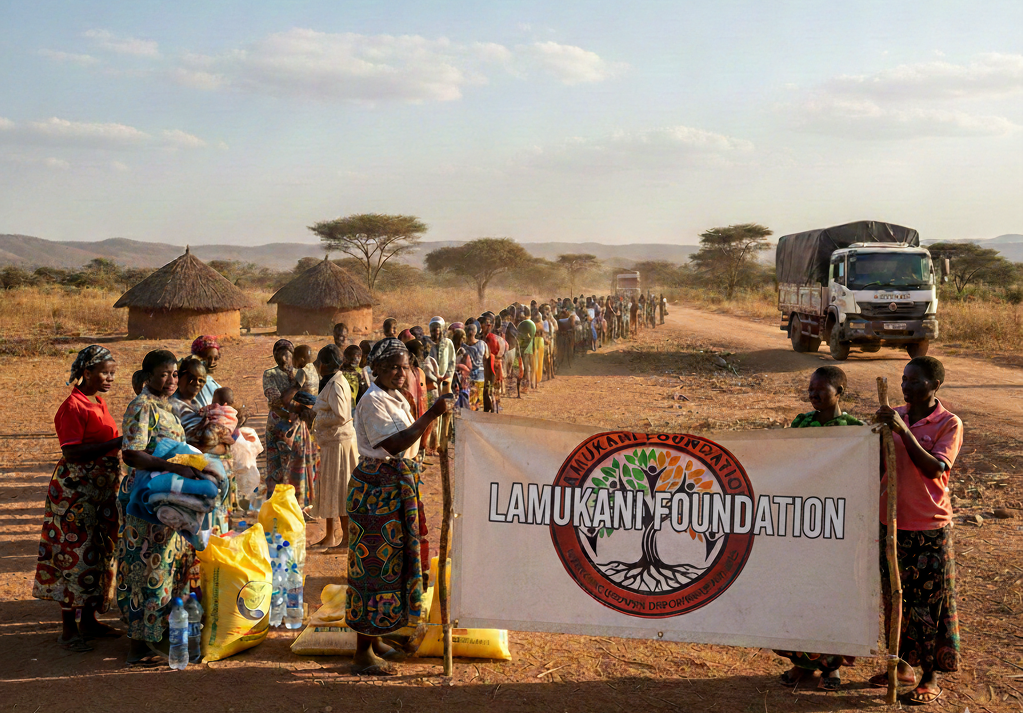
Founded in , serving Ganze region with holistic impact.
Our Services
Education
Scholarships & literacy
Health Outreach
Mobile clinics
Economic Empowerment
Vocational training
WASH
Water & hygiene
Research Findings & Strategic Interventions
Evidence-based diagnosis | Community-driven solutions
🛡️ Child Protection & Orphan Support
🔍 Key finding: 400+ OVC, 27% child laborCore Objective: To protect and empower vulnerable children, especially orphans, by ensuring their safety, dignity, and access to essential services, enabling them to grow into responsible, self-reliant members of society.
- Identify and register orphans and vulnerable children within the community
- Provide school fees, uniforms, books, and scholarships
- Establish child protection committees and reporting mechanisms
- Conduct community awareness campaigns on child rights and protection
- Offer counseling, mentorship, and life skills programs
- Facilitate access to healthcare services and medical camps
- Provide food support and nutrition programs
- Support foster care, guardianship, and family reintegration initiatives
- Train caregivers and guardians on child care and protection practices
✅ Expected Outcomes
Reduced cases of child abuse, neglect, and exploitation • Increased school enrollment and retention among vulnerable children • Improved emotional and psychological well-being • Better health and nutritional status • Stronger family and community support systems
📚 Education Retention & Accelerated Learning
🔍 Key finding: 42% dropout rate (girls 54%)Core Objective: To enhance access to quality education by improving student retention and providing accelerated learning opportunities for out-of-school and at-risk children to achieve their full academic potential.
- Identify and support at-risk and out-of-school children for school enrollment and re-entry
- Provide scholarships, school fees, uniforms, and learning materials
- Establish accelerated learning programs for overage learners and school dropouts
- Organize remedial classes, tutoring, and mentorship programs
- Partner with schools and teachers to track attendance and performance
- Conduct community sensitization on the importance of education and retention
- Support digital learning and access to educational resources
- Provide life skills and career guidance programs
✅ Expected Outcomes
Increased school enrollment, retention, and transition rates • Reduced dropout rates among vulnerable children • Improved literacy, numeracy, and overall academic performance • Successful reintegration of out-of-school children • Enhanced community support for continuous education
🏥 Health & Nutrition Outreach
🔍 Key finding: 34% malnutrition, 47% maternal anemiaCore Objective: To improve the health and nutritional well-being of vulnerable populations by increasing access to essential healthcare services, promoting proper nutrition, and preventing disease.
- Organize regular medical outreach camps providing screening, treatment, and referrals
- Conduct nutrition assessments and provide therapeutic and supplementary feeding programs
- Deliver community education on hygiene, sanitation, nutrition, and disease prevention
- Support immunization drives and child health initiatives
- Provide maternal and child health services, including antenatal and postnatal awareness
- Distribute food support and promote household-level nutrition practices
- Train community health volunteers and caregivers on basic health and nutrition care
- Establish referral linkages with local health facilities
✅ Expected Outcomes
Increased access to essential healthcare services in underserved areas • Reduced prevalence of malnutrition among children • Improved knowledge and adoption of healthy behaviors • Enhanced maternal and child health outcomes • Strengthened community capacity to address health challenges
👩🌾 Women & Girls Empowerment
🔍 Key finding: 71% economic exclusion, GBV concernsCore Objective: To empower women and girls to achieve economic independence and improved health by enhancing access to financial opportunities, life skills, and essential health services.
- Provide vocational training, entrepreneurship development, and income-generating opportunities
- Facilitate access to microfinance, savings groups, and financial literacy programs
- Support women-led businesses through mentorship, market linkages, and capacity building
- Conduct health education on reproductive health, menstrual hygiene, and disease prevention
- Distribute dignity kits and support menstrual health management initiatives
- Promote access to maternal healthcare and reproductive health services
- Establish safe spaces and mentorship programs for girls
- Advocate against gender-based violence and harmful cultural practices
- Train community champions to support women and girls' rights and empowerment
✅ Expected Outcomes
Increased income and economic independence among women • Improved financial management and entrepreneurship skills • Enhanced access to reproductive and general health services • Improved health and well-being of women and girls • Reduced cases of gender-based violence and harmful practices • Increased confidence, leadership, and participation
💧 Water, Sanitation & Hygiene + Climate Resilience
🔍 Key finding: 37% clean water access, waterborne diseasesCore Objective: To improve access to safe water, sanitation, and hygiene services while strengthening community resilience to climate change and environmental challenges.
- Develop and rehabilitate water sources such as boreholes, wells, and rainwater harvesting systems
- Promote household and institutional sanitation through latrine construction and waste management initiatives
- Conduct community hygiene education on handwashing, safe water handling, and sanitation practices
- Distribute hygiene kits and support school WASH programs
- Implement climate-smart water solutions, including water conservation and storage technologies
- Promote environmental conservation through tree planting and ecosystem restoration
- Train communities on climate adaptation and disaster risk reduction strategies
- Support drought preparedness and response initiatives
✅ Expected Outcomes
Increased access to safe and reliable water sources • Improved sanitation facilities and hygiene practices • Reduced incidence of waterborne diseases • Strengthened community resilience to climate shocks • Enhanced environmental conservation
🌽 Food Security & Climate-Smart Agriculture
🔍 Key finding: Recurrent drought, low crop diversityCore Objective: To enhance food security and improve livelihoods by promoting sustainable, climate-smart agricultural practices and increasing access to reliable and nutritious food sources.
- Train farmers on climate-smart agriculture practices such as conservation farming, agroforestry, and efficient water use
- Support access to quality seeds, fertilizers, and climate-resilient crop varieties
- Promote kitchen gardening and small-scale food production at household level
- Facilitate irrigation solutions and water management systems for farming
- Support farmer groups, cooperatives, and market linkages
- Provide post-harvest handling, storage, and value addition training
- Promote livestock farming and diversification of livelihoods
- Conduct awareness on nutrition-sensitive agriculture and balanced diets
- Support early warning systems and climate adaptation strategies
✅ Expected Outcomes
Increased agricultural productivity and household food production • Improved access to diverse and nutritious food • Enhanced resilience to climate change • Increased household incomes • Reduced levels of hunger and food insecurity
💻 Youth Skills & Digital Empowerment
🔍 Key finding: High youth unemployment, low digital literacyCore Objective: To equip youth with practical skills and digital competencies that enhance employability, entrepreneurship, and active participation in a modern, technology-driven economy.
- Provide vocational and technical skills training aligned with market needs
- Offer digital literacy programs, including computer skills, coding, and online tools
- Support youth entrepreneurship through training, mentorship, and startup incubation
- Facilitate access to digital devices, internet connectivity, and learning platforms
- Organize innovation hubs, bootcamps, and hackathons
- Link youth to internships, apprenticeships, and job placement opportunities
- Conduct financial literacy and business management training
- Promote online work opportunities such as freelancing and remote jobs
- Partner with private sector and training institutions for skills development
✅ Expected Outcomes
Increased employability and job readiness among youth • Improved digital skills and technological competence • Growth of youth-led enterprises and startups • Increased access to income-generating opportunities • Enhanced youth participation in economic and community development
Pilot Outcomes
Evidence from our strategic interventions
Data Updating Soon
Pilot outcome data and impact metrics will be displayed here once available. Our research team is currently compiling results from ongoing strategic interventions.
Our Executive Board
Leadership driving transformative change
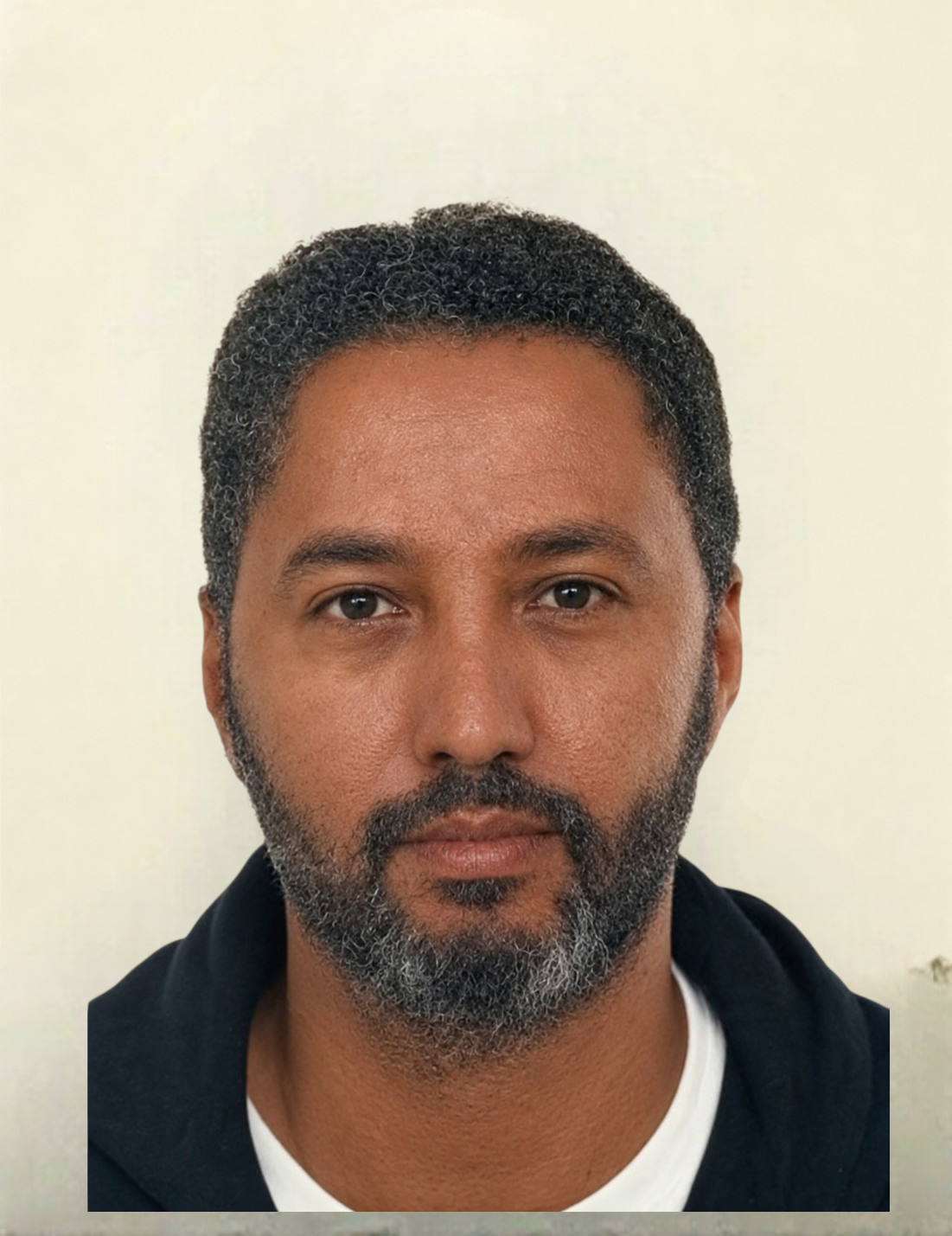
Lorenzo Cerantola

Daniel Katana
Committed to ethical governance and sustainable innovation
Contact Us
Send a Message
Info
PO Box 2006-80108 Kilifi, Ganze
+254 717 150 045
lamukanifoundation@gmail.com